Sports Massage for Recovery: The Athlete’s Secret Weapon
Sports Massage for Recovery: The Athlete’s Secret Weapon
Recovery is where athletic gains actually happen. You can train hard every day, but without adequate recovery, you’re building on a crumbling foundation.
Sports massage has emerged as one of the most effective recovery tools available to athletes at every level—from weekend warriors to professional competitors.
Yet despite its proven benefits, many fitness enthusiasts overlook this powerful strategy or misunderstand how to use it effectively.
At Delta Valley Health Club, our professional massage therapists work with members across the fitness spectrum to optimize recovery and performance.
This guide will show you exactly how sports massage fits into a comprehensive training program and how to time your sessions for maximum benefit.
How Sports Massage Enhances Recovery
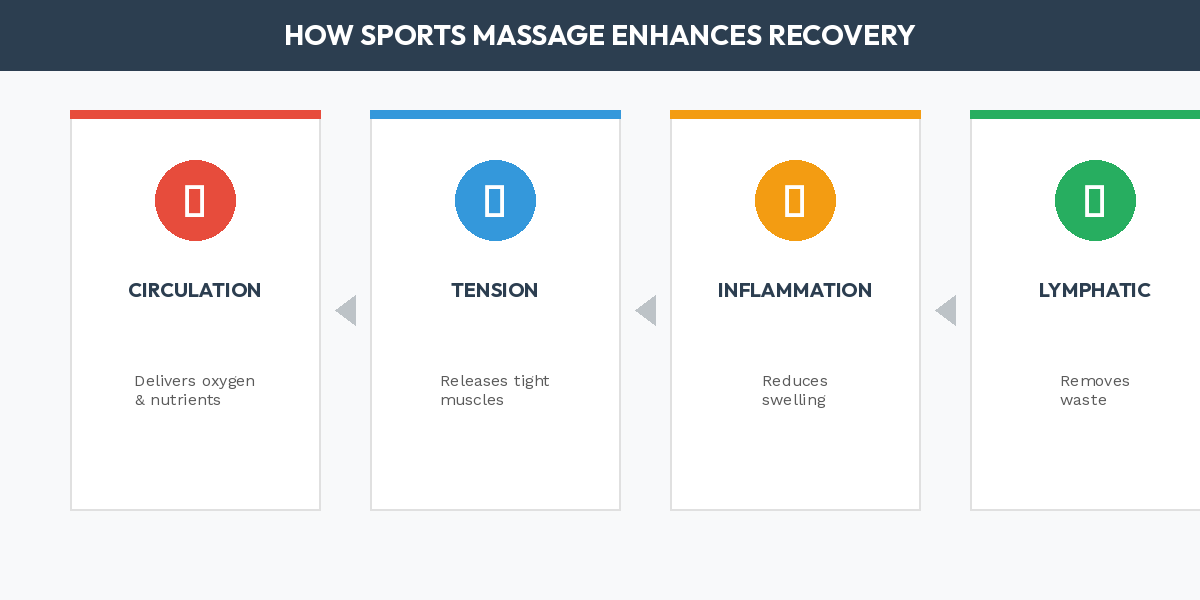
Sports massage accelerates recovery through several physiological mechanisms that work together to restore your body faster than passive rest alone.
Improved Circulation
Massage techniques increase blood flow to treated muscles, delivering oxygen and nutrients essential for tissue repair.
This enhanced circulation also helps flush metabolic waste products—including lactic acid and other byproducts of intense exercise—from muscle tissue more efficiently than rest alone.
Reduced Muscle Tension
Intense training creates localized muscle tension and trigger points that can persist long after a workout ends.
Sports massage directly addresses these tension patterns, releasing tight spots and restoring normal muscle function.
This reduction in residual tension allows subsequent workouts to begin from a better baseline.
Decreased Inflammation
Research has shown that massage can reduce inflammatory markers in muscle tissue following exercise.
While some inflammation is a normal part of the adaptation process, excessive or prolonged inflammation can delay recovery and increase injury risk. Sports massage helps maintain inflammation within productive levels.
Enhanced Lymphatic Drainage
Your lymphatic system depends on movement and external pressure to circulate lymph fluid throughout your body.
Sports massage techniques promote lymphatic drainage, helping remove cellular waste and reduce post-exercise swelling.
This is particularly valuable after high-volume training sessions that create significant tissue stress.
For a deeper dive into the fundamentals, our comprehensive guide on what is a sports massage covers the techniques and purposes behind this specialized therapy.
Timing Your Sports Massage for Maximum Recovery
When you schedule your sports massage relative to your training makes a significant difference in the benefits you receive. Different timing strategies serve different purposes.
Post-Workout Recovery Massage
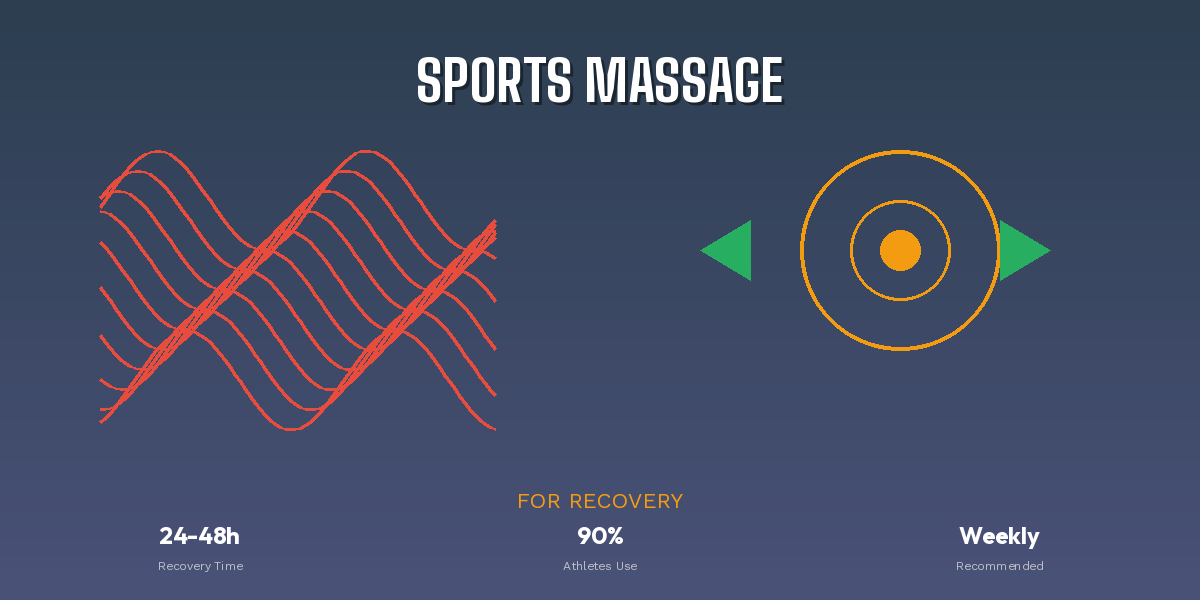
The most common application of sports massage for recovery occurs 24 to 48 hours after intense training.
At this point, delayed onset muscle soreness (DOMS) typically peaks, and massage can significantly reduce both the severity and duration of this discomfort.
Scheduling your massage during this window accelerates your return to full training capacity.
Maintenance Massage
Regular maintenance massage—typically weekly or bi-weekly—prevents the accumulation of chronic muscle tension that develops over training cycles.
Think of it as preventive maintenance for your muscular system. Athletes who incorporate regular massage often report fewer injuries and more consistent performance throughout their training seasons.
Pre-Event Massage
While this article focuses on recovery, it’s worth noting that pre-event massage serves a different purpose entirely.
Light, stimulating techniques one to two days before competition can enhance readiness without creating the temporary weakness that sometimes follows deeper work. This is not the time for intense therapeutic massage.
How Soon Can You Train After a Sports Massage?
One of the most common questions athletes ask is how to schedule workouts around massage sessions.
The answer depends on the intensity of the massage and your training goals.
For deep tissue sports massage, waiting 24 to 48 hours before intense training allows your muscles to fully recover from the treatment itself.
Massage creates micro-changes in muscle tissue that need time to resolve. Training too soon after deep work can feel sluggish and may increase injury risk.
Light massage work typically requires less recovery time.
Gentle techniques focused on circulation enhancement might only need a few hours before you’re ready for your next session.
Communicate with your massage therapist about your training schedule so they can adjust their approach accordingly.
We’ve covered this topic extensively in our article on strength training after a massage, which provides detailed guidance on workout timing and intensity considerations.
Sports Massage vs. Regular Massage: Key Differences
Not all massage is created equal when it comes to athletic recovery. Understanding the differences helps you choose the right service for your needs.
Intent and Focus: Regular relaxation massage aims primarily to reduce stress and promote general wellbeing.
Sports massage targets specific muscles and movement patterns relevant to your athletic activities, with recovery and performance enhancement as primary goals.
Techniques Used: Sports massage incorporates techniques like deep tissue work, myofascial release, trigger point therapy, and assisted stretching that may not appear in a standard relaxation massage. These methods address the specific tissue changes that occur with athletic training.
Therapist Knowledge: A skilled sports massage therapist understands anatomy, biomechanics, and common injury patterns for various activities. They can identify compensation patterns and address issues before they become injuries. This specialized knowledge makes sports massage more effective for athletes than generalist services.
Communication Level: Sports massage sessions typically involve more dialogue about your training, current issues, and goals. Your therapist should ask about recent activities, any pain or limitations you’re experiencing, and upcoming events or training phases.
Can Sports Massage Prevent Injuries?
While no intervention can guarantee injury prevention, regular sports massage significantly reduces several key risk factors.
Muscle imbalances develop naturally as we train, with some muscles becoming chronically tight while others weaken.
These imbalances alter movement patterns and place abnormal stress on joints and connective tissue. Sports massage helps identify and address these imbalances before they cause problems.
Restricted range of motion is another common precursor to injury.
When muscles become too tight, they limit joint mobility and force other structures to compensate. Regular massage maintains healthy tissue extensibility, allowing full range of motion in training and competition.
Early detection is perhaps the most valuable preventive aspect of regular massage.
A skilled therapist often notices developing issues—unusual tension, tissue changes, or movement restrictions—before you’re consciously aware of them. Addressing these early signs prevents minor problems from becoming significant injuries.
Integrating Sports Massage with Other Recovery Methods
Sports massage works best as part of a comprehensive recovery strategy rather than a standalone solution.
Here’s how it fits with other popular recovery methods:
Stretching and Mobility Work: Sports massage and stretching complement each other well.
Massage releases muscle tension, making stretching more effective. Consider scheduling mobility work after massage sessions when tissue is most receptive.
Foam Rolling: Self-myofascial release through foam rolling extends the benefits of professional massage between sessions.
Your massage therapist can identify specific areas to target with foam rolling based on what they discover during your sessions.
Cold and Heat Therapy: These modalities serve different purposes at different times.
Generally, avoid ice immediately before massage as it reduces circulation. Heat application before massage can enhance tissue pliability and treatment effectiveness.
Active Recovery: Light movement on rest days—such as pool walking or aqua jogging—complements massage by promoting circulation without adding training stress.
Sports Massage for Different Types of Athletes
Strength Athletes
Weightlifters, powerlifters, and those focused on strength training benefit from massage that addresses the chronic tension patterns developed from heavy loading.
Focus areas typically include the posterior chain (back, glutes, hamstrings), shoulders, and forearms. Scheduling massage 48 hours after major lifting sessions allows initial recovery while maximizing the therapeutic window.
Endurance Athletes
Runners, cyclists, swimmers, and other endurance athletes accumulate significant repetitive stress in specific muscle groups.
Sports massage for endurance athletes often focuses on the legs, hips, and muscles supporting posture during extended efforts. Regular massage can help manage the cumulative fatigue of high-volume training.
HIIT and Functional Fitness Enthusiasts
High-intensity interval training creates unique recovery demands because it combines strength and cardiovascular stress.
If you’re following a HIIT training program, strategic massage timing becomes especially important. Consider booking sessions on designated rest days to maximize recovery without interrupting your training rhythm.
Recreational Athletes and Weekend Warriors
You don’t need to be a competitive athlete to benefit from sports massage.
Anyone engaging in regular physical activity—whether it’s group fitness classes, recreational sports, or personal training—can use massage to recover better and train more consistently.
The principles remain the same even if the intensity differs.
What to Expect During Your Sports Massage Session
Knowing what to expect helps you get the most from your sports massage experience.
Initial Assessment: Your therapist should ask about your training history, current activities, any pain or limitations, and your goals for the session. This information guides their approach and ensures the treatment addresses your specific needs.
The Treatment: Sports massage can range from comfortably firm to quite intense depending on your needs and preferences.
Communication during the session is essential—let your therapist know if pressure needs adjustment. Some discomfort when addressing problem areas is normal, but you shouldn’t be gritting your teeth throughout the session.
Post-Session: Drink plenty of water after your massage to support the circulation and lymphatic drainage benefits.
You may experience some temporary soreness, particularly after deeper work. This typically resolves within 24 hours and should not be confused with injury.
How Often Should Athletes Get Sports Massage?
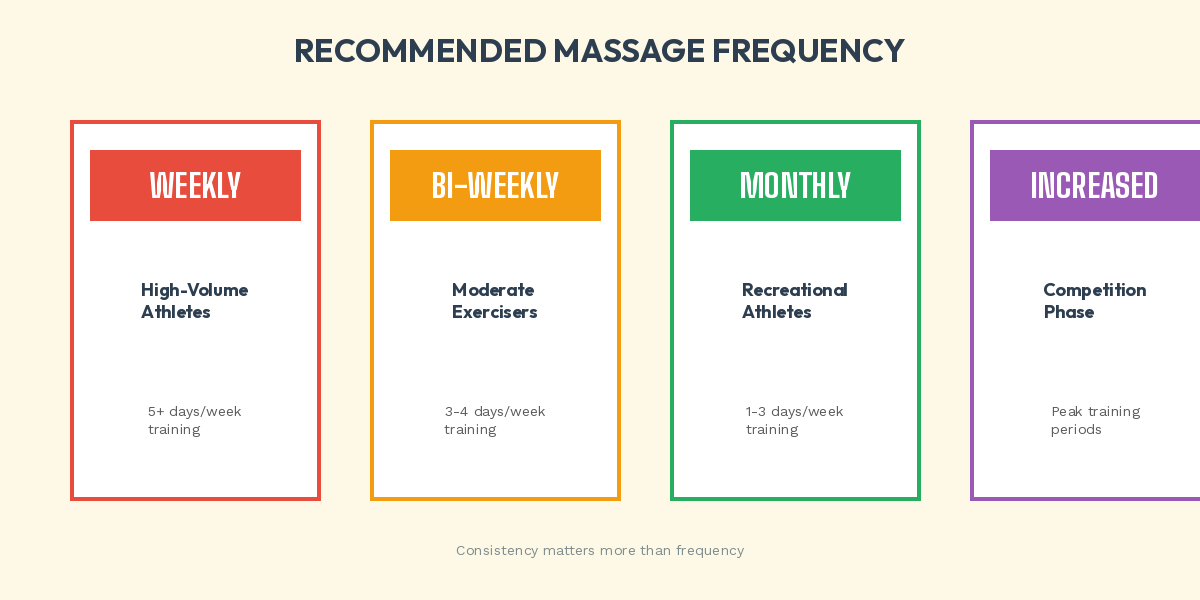
Optimal frequency depends on your training volume, intensity, and recovery needs. Here are general guidelines:
High-volume athletes: Those training intensely five or more days per week often benefit from weekly massage sessions. This frequency prevents chronic tension accumulation and supports the high recovery demands of serious training.
Moderate exercisers: Training three to four days weekly typically warrants bi-weekly or monthly massage.
This schedule addresses ongoing maintenance needs without overcommitting time or resources.
Recreational athletes: Even monthly massage provides meaningful benefits for those exercising a few times per week. Consistency matters more than frequency—regular monthly sessions beat sporadic intensive treatments.
During competition or peak training: Increase frequency during demanding periods. A weekly session during competition season or intensive training blocks helps manage the elevated physical stress.
Professional Sports Massage at Delta Valley Health Club
At Delta Valley Health Club, our licensed massage therapists specialize in helping active individuals recover better and perform at their best.
Whether you’re training for competition, working toward fitness goals, or simply want to feel better in your active lifestyle, our massage therapy services can support your journey.
What sets our approach apart is the integration of massage with our complete fitness offerings. Our therapists understand the demands of the classes and training programs we offer, allowing them to provide truly relevant treatment.
This integration creates a seamless recovery experience that enhances your overall results.
Ready to make sports massage part of your training strategy? Contact us to schedule a session and experience the difference that professional recovery support makes. Your body works hard for you—give it the recovery it deserves.
Visit our Brentwood location to meet our massage therapy team and learn how we can customize a recovery plan for your specific needs and training goals.