
Mat Pilates vs Reformer Pilates: Which Is Right for You?
Mat Pilates vs Reformer Pilates: Which Is Right for You?
If you’ve been researching pilates classes, you’ve probably noticed two main options: mat pilates and reformer pilates.
While both share the same foundational principles developed by Joseph Pilates, they offer distinctly different experiences that can significantly impact your fitness journey.
Understanding these differences will help you choose the right style for your goals, fitness level, and lifestyle.
At Delta Valley Health Club, we offer both mat and reformer pilates classes to give our members the flexibility to explore what works best for their bodies.
Let’s break down everything you need to know to make an informed decision.
What Is Mat Pilates?
Mat pilates is performed on a padded mat using primarily your body weight for resistance.
This is the original form of pilates and focuses on the classical exercises that Joseph Pilates developed in the early 20th century.
The simplicity of mat work is deceptive—without the assistance of springs and pulleys, your muscles must work harder to maintain control throughout each movement.
In a typical mat pilates class, you’ll perform a series of exercises targeting your core, back, hips, and limbs while lying, sitting, or kneeling on the mat.
Props like resistance bands, pilates rings, and small weighted balls may be incorporated to add variety and challenge.
The focus remains on precision, breath control, and the mind-body connection that makes pilates so effective for building functional strength.
What Is Reformer Pilates?
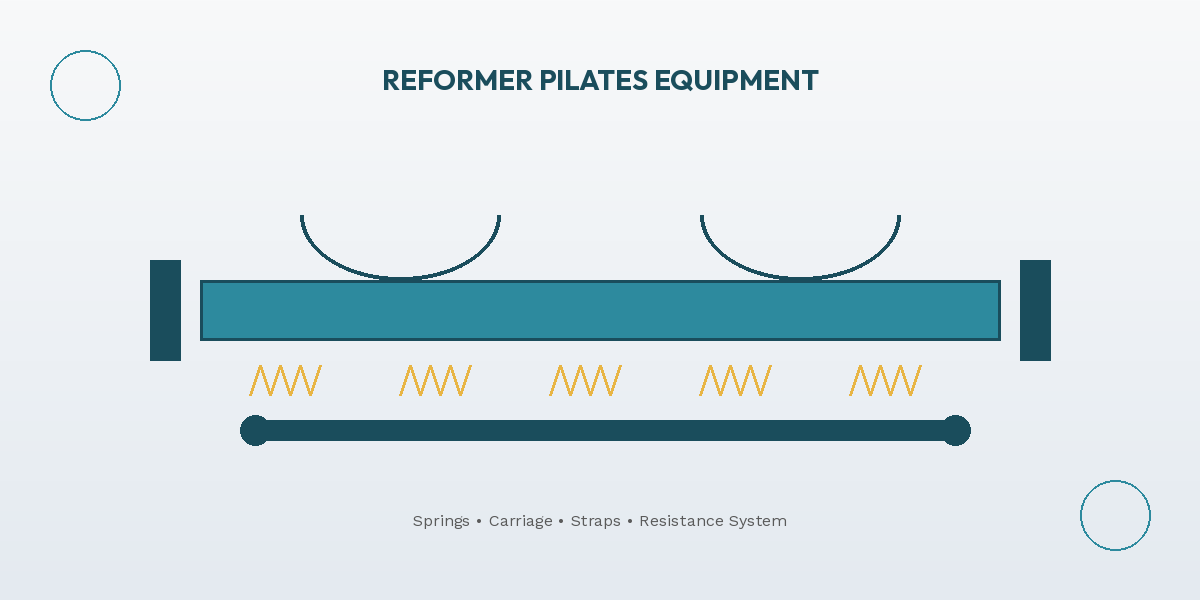
Reformer pilates utilizes a specialized piece of equipment called the reformer—a sliding carriage that moves along a frame with adjustable springs providing resistance.
This machine-based approach allows for a wider variety of exercises and the ability to precisely control resistance levels.
If you want to understand the equipment in depth, our guide on what is reformer pilates covers everything you need to know.
The reformer’s spring system creates both assistance and resistance, depending on the exercise.
This versatility makes it possible to regress exercises for beginners or progress them for advanced practitioners—all within the same session.
The gliding carriage also challenges your stability in ways that mat work simply cannot replicate.
Key Differences Between Mat and Reformer Pilates
Equipment and Setup
Mat pilates requires minimal equipment—just a quality mat and possibly some small props.
This accessibility means you can practice virtually anywhere, from a group class to your living room.
Reformer pilates requires access to specialized equipment that typically costs thousands of dollars, making studio classes the practical option for most people.
Resistance and Challenge
Mat pilates relies on gravity and your body weight for resistance. This can actually be more challenging for certain exercises because you have no mechanical assistance.
Reformer pilates offers adjustable spring tension, allowing instructors to customize resistance for each movement and each individual.
This adjustability makes reformer work particularly effective for rehabilitation and progressive strength building.
Exercise Variety
The reformer opens up hundreds of exercise variations that simply aren’t possible on a mat. Standing exercises, jumping sequences on the jump board, and full-body movements using the straps and pulleys create an expansive exercise library.
Mat pilates, while more limited in variety, provides a deeper focus on mastering the fundamental movements that form the backbone of the entire pilates method.
Cost Considerations
Mat classes are generally more affordable than reformer sessions. If you’re curious about typical pricing structures, our article on how much does a pilates class cost provides detailed insights.
The investment in reformer classes typically reflects smaller class sizes, specialized equipment maintenance, and more personalized instruction.
Which Style Is Better for Beginners?
This question sparks debate among pilates instructors, and honestly, both options can work well for beginners—with different advantages.
Mat pilates teaches you to generate movement and stability entirely from your own body.
You develop a strong kinesthetic awareness because there’s no machine guiding your alignment.
However, some beginners find certain mat exercises frustrating when they lack the core strength to execute them properly.
Reformer pilates provides immediate feedback through the spring tension and carriage movement.
The equipment can support you through exercises that might be too challenging on the mat, helping you build strength progressively.
Many beginners find this more encouraging and easier to grasp initially.
Our recommendation? Try both. Most people gravitate naturally toward one style, and there’s no wrong answer.
The best pilates practice is the one you’ll actually maintain consistently.
Mat Pilates vs Reformer for Specific Goals
For Core Strength
Mat pilates excels here. Without equipment assistance, your core must stabilize every movement from start to finish.
The classical mat repertoire is specifically designed to build deep core strength and stability. If core development is your primary goal, mat work should be a cornerstone of your practice.
For Full-Body Toning
Reformer pilates offers superior options for comprehensive muscle sculpting.
The ability to isolate specific muscle groups with targeted resistance makes the reformer particularly effective for toning legs, glutes, and arms.
The variety of positions and exercises means you can address muscle imbalances more precisely.
For Injury Recovery
The reformer’s adjustable resistance makes it the preferred choice for rehabilitation.
Physical therapists frequently incorporate reformer work because the springs can reduce load on healing tissues while still promoting strength gains.
Always consult with healthcare providers before beginning any exercise program post-injury.
For Flexibility
Both styles improve flexibility, but they do so differently.
Mat pilates emphasizes active flexibility through controlled movement. The reformer’s straps allow for supported stretching that can help you access deeper ranges of motion safely.
Many practitioners find the best flexibility gains come from combining both approaches.
Can You Do Both Mat and Reformer Pilates?
Absolutely—and many serious practitioners do exactly this.
The two styles complement each other beautifully. Mat work builds the foundational strength and body awareness that enhances your reformer practice, while reformer sessions can help you break through plateaus in your mat work.
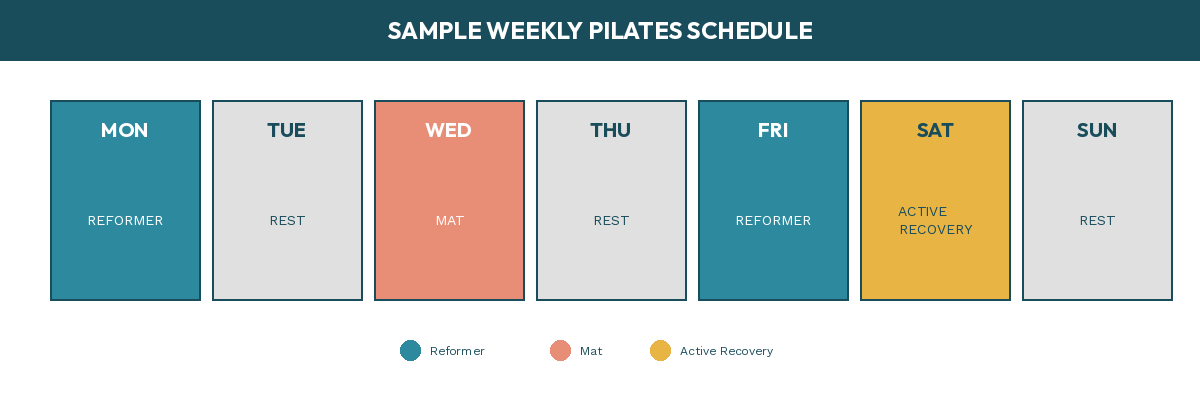
A balanced approach might include two reformer sessions and one mat class per week, or alternating between styles on different days.
Listen to your body and notice how each style serves your evolving needs.
What to Wear to Pilates Class
Whether you choose mat or reformer pilates, proper attire matters for your comfort and performance.
Fitted, stretchy clothing works best because loose fabrics can interfere with your movements and your instructor’s ability to assess your alignment.
Our complete guide on what to wear to pilates covers everything from footwear to fabric choices.
For reformer classes specifically, grip socks are often required for hygiene and safety on the equipment. Most studios sell them if you don’t have your own.
Special Considerations: Pregnancy and Pilates
Both mat and reformer pilates can be safe and beneficial during pregnancy with proper modifications.
The reformer’s adjustability can be particularly helpful as your body changes, allowing exercises to be modified throughout each trimester.
However, specific exercises and positions need to be avoided as pregnancy progresses.
If you’re expecting, read our detailed guide on reformer pilates while pregnant and always consult with your healthcare provider before beginning or continuing any exercise program.
Making Your Decision
The mat versus reformer debate doesn’t have a universal answer because the right choice depends entirely on your individual circumstances. Consider these factors when deciding:
Choose mat pilates if: you want to build foundational core strength, prefer a lower-cost option, enjoy practicing at home between classes, or want to master the classical pilates method.
Choose reformer pilates if: you’re recovering from injury, want maximum exercise variety, prefer more personalized attention in smaller classes, or find equipment-based workouts more engaging.
Choose both if: you want the most well-rounded pilates practice and your schedule and budget allow for variety.
Experience Both at Delta Valley Health Club
At Delta Valley Health Club in Brentwood and Discovery Bay, we believe in providing options that meet you where you are in your fitness journey.
Our award-winning pilates studio offers both mat and reformer classes taught by experienced instructors who can guide you toward the style that best supports your goals.
Not sure where to start? Book a tour of our facilities and speak with our pilates team about your fitness objectives.
We’re here to help you find the perfect fit—whether that’s on the mat, on the reformer, or a combination of both.
Ready to begin your pilates journey?
Check out our class schedule and join us for a class that could transform the way you move and feel.